
As the brutal summer heat bears down on your property, a peaceful, relaxing indoor environment becomes an absolute necessity. Your home is supposed to be your quiet sanctuary away from the hustle and bustle of the outside world. However, if your cooling system is suddenly disrupting that peace with obnoxious clanking, high-pitched buzzing, or aggressive roaring noises, you might be wondering, “why is my air conditioner so loud inside?”
Modern HVAC systems are engineered to operate with minimal auditory disruption, often producing nothing more than a gentle, consistent hum as conditioned air cycles through your living spaces. Therefore, when your equipment starts sounding like a heavy industrial manufacturing plant, it is a clear indicator that something has gone mechanically or structurally wrong. Asking yourself “why is my air conditioner so loud inside” is the critical first step toward preventing a major, highly expensive mechanical breakdown. By paying close attention to the specific types of sounds your unit is making, you can often narrow down the root cause before the situation escalates. In this comprehensive guide, we will explore the four most common culprits behind a noisy indoor air handler.
The State of Home Cooling
Before diving fully into the technical reasons behind “why is my air conditioner so loud inside,” let’s examine some crucial industry statistics regarding HVAC usage and mechanical performance:
- Massive Energy Draw: According to the U.S. Department of Energy, roughly three-quarters of all homes in the United States rely on air conditioners, which collectively account for about 6% of all electricity produced nationwide, costing homeowners approximately $29 billion annually.
- Efficiency Degradation: Industry engineering studies confirm that unmaintained HVAC systems can lose up to 5% of their overall operating efficiency for every single year they go without professional servicing.
- Noise as a Warning Sign: Acoustic anomalies and mechanical noise complaints are among the top 5 most common reasons homeowners request emergency HVAC service calls during the peak summer months.
Culprit 1: Blower Motor and Fan Assembly Issues
When diagnosing “why is my air conditioner so loud inside,” HVAC technicians frequently discover severe issues resting within the indoor blower motor assembly. The blower motor is the powerhouse of your indoor air handler; it is solely responsible for pulling warm air from your rooms, forcing it over the icy-cold evaporator coils, and pushing the newly chilled air back through your ventilation system. Because this motor spins at incredibly high speeds for hours on end, it is highly susceptible to immense mechanical friction and general wear and tear.
If you hear a loud, piercing squealing or screeching sound coming from your utility closet or attic, it usually points to a worn or slipping rubber belt that connects the motor to the fan itself. Much like a serpentine belt in an automobile engine, these belts degrade, stretch out, and eventually crack over time. A failing belt is a very common answer to the frustrating question: “why is my air conditioner so loud inside?”
Alternatively, if the sound is more of a deep, metallic grinding or a harsh metallic scraping, the bearings inside the blower motor itself may be failing. Older motors require routine manual lubrication to keep the bearings spinning freely. When this lubrication dries up, metal grinds directly against metal, producing a horrendous noise and generating dangerous amounts of electrical heat. Furthermore, the “squirrel cage” fan blades can occasionally become unbalanced due to heavy dirt buildup or a bent blade, causing the entire assembly to violently shake and vibrate within its metal housing. By replacing these worn mechanical components, you quickly resolve the mystery of “why is my air conditioner so loud inside.”
Culprit 2: Clogged Air Filters and Restricted Airflow
It may seem incredibly simple, but another primary reason for “why is my air conditioner so loud inside” involves severe airflow restriction caused by a dirty air filter. Your HVAC system is heavily reliant on balanced static pressure to function correctly. It needs to pull in a specific volume of air to match the volume of air it pushes out. When you neglect to change your air filter, a thick, impenetrable wall of dust, pet hair, and microscopic debris forms, completely choking off the system’s “breathing” capabilities.
If you ever find yourself urgently asking, “why is my air conditioner so loud inside?” your very first action should be checking the physical air filter. When the blower motor tries to pull air through a clogged filter, it has to work exponentially harder. This extreme suction can cause the filter itself to physically bow, bend, and occasionally whistle loudly as air aggressively forces its way through the tiny remaining gaps in the dirty fabric. This high-pitched whistling or wheezing sound is a massive red flag that your system is suffocating.
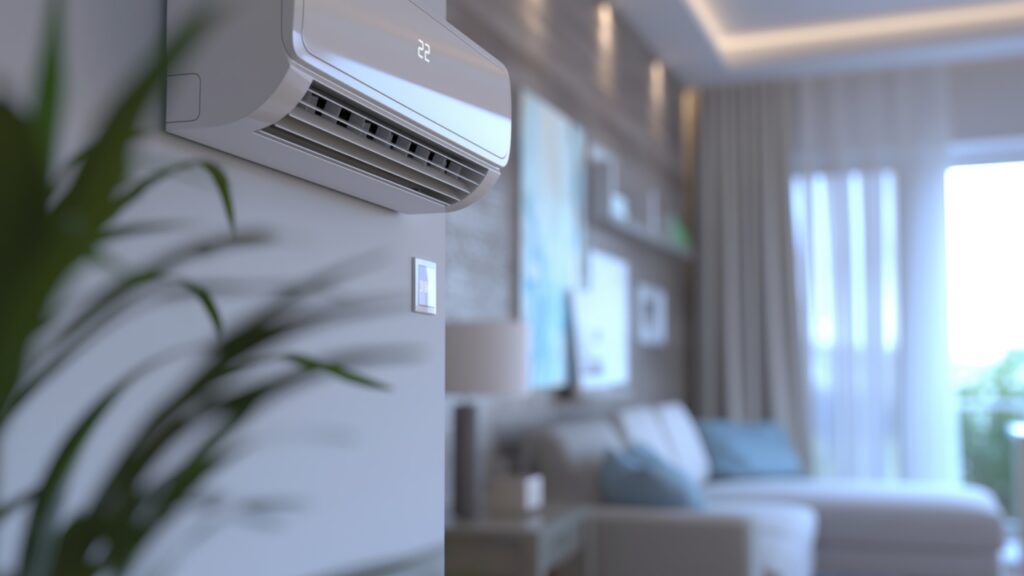
Beyond the whistling noise, this severe airflow restriction can cause the indoor evaporator coil to literally freeze into a solid block of ice, which will eventually lead to dripping water and hissing sounds as the ice melts onto warm metal parts. Understanding “why is my air conditioner so loud inside” is often as simple as locating a completely clogged, dirty filter and replacing it with a fresh, clean one. This not only instantly silences the stressful whistling sounds but immediately restores your system’s baseline energy efficiency.
Culprit 3: Loose, Damaged, or Undersized Ductwork
When frantic homeowners call us and ask, “why is my air conditioner so loud inside,” we often look straight up at the ceiling ductwork. The ductwork is the expansive respiratory system of your home, consisting of long runs of sheet metal or flexible insulated tubing that carry conditioned air to every room. Because ducts are largely made of thin metal, they are highly reactive to dramatic temperature changes and intense internal air pressure.
If you hear a loud “popping” or “banging” sound immediately after your air conditioner kicks on or shuts off, you are likely experiencing thermal expansion. As cold air suddenly rushes through room-temperature metal ducts, the metal rapidly contracts and pops inward. When the system shuts off and the metal warms back up, it expands and pops back out. While some minor popping is normal, excessive booming means your ducts are improperly supported or lack the necessary flexibility. This metallic rattling is a prime, textbook answer to “why is my air conditioner so loud inside.”
Furthermore, if the ductwork was improperly sized during installation, the air velocity inside the pipes might simply be too high, creating a loud, rushing “wind tunnel” effect directly at your return and supply vents. Loose screws, unsealed joints, and disconnected segments can also cause the metal to violently vibrate against wooden floor joists while the system runs. Properly sealing and insulating these metallic pathways permanently resolves the lingering issue of “why is my air conditioner so loud inside.”
Culprit 4: Loose Internal Hardware and Debris
If you have checked the filters and vents but are still wondering “why is my air conditioner so loud inside,” consider the internal hardware securing the unit itself. Indoor air handlers and furnaces are essentially large metal boxes filled with rapidly spinning parts, high-voltage electrical relays, and pressurized copper lines. Over years of continuous, vibrating operation, the physical mounting bolts, internal screws, and isolation feet that hold everything tightly together can naturally vibrate loose.
When a motor mount becomes loose, the entire motor can violently rattle against its casing. When an access panel is missing a single screw, the thin sheet metal can endlessly buzz against the frame. Even small pieces of debris, such as a loose screw or a piece of hard plastic, can get sucked into the blower wheel and loudly ricochet around the interior of the unit like a pinball. This kind of internal damage perfectly answers the urgent query of “why is my air conditioner so loud inside.” Ignoring these seemingly minor rattling noises can lead to major destruction, as vibrating copper lines can easily chafe against sharp metal edges, eventually causing a massive chemical refrigerant leak that destroys the entire system.
The ROI of Proactive Maintenance
The ongoing struggle of diagnosing “why is my air conditioner so loud inside” heavily relates to broader industry maintenance trends and financial impacts:
- Instant Energy Savings: According to the EPA, replacing a dirty, clogged air filter with a clean one can lower your air conditioner’s daily energy consumption by a massive 5% to 15%.
- Breakdown Prevention: Routine preventative maintenance can successfully prevent up to 95% of unexpected, catastrophic HVAC breakdowns, ensuring your system operates silently and smoothly.
- Equipment Lifespan: The average lifespan of a well-maintained central AC unit is roughly 15 to 20 years. However, chronic neglect (often heavily indicated by loud internal rattling or grinding noises) can reduce this lifespan to a mere 10 years or less, forcing premature replacement.
When It Is Time to Call a Professional
Once you successfully determine “why is my air conditioner so loud inside,” you must take decisive action to protect your property. While swapping out a dirty air filter or tightening a visible screw on a return vent are excellent DIY tasks for the average homeowner, most internal acoustic anomalies require immediate professional intervention.
Stop pacing the hallway asking “why is my air conditioner so loud inside” and let a certified expert handle the complex mechanical repairs. If the noises you are hearing are related to failing motors, grinding bearings, or structural ductwork issues, attempting to fix them yourself can lead to dangerous high-voltage electrical shocks or permanently void your equipment’s factory warranty. Instead, you should rely on expert air conditioning repair to safely open the unit, diagnose the exact friction points, and restore your system to its silent factory specifications.
Additionally, if your indoor unit is a dual-purpose system like a heat pump or shared furnace, addressing these cooling issues now is critical before the seasons change and you require urgent heating system repair. Noisy systems that push dirty air through loose, unsealed ducts also severely compromise the health of your home; investing in a thorough indoor air quality assessment can identify exactly how much dust and allergens are bypassing your failing system.
Ultimately, troubleshooting “why is my air conditioner so loud inside” requires a blend of homeowner vigilance and professional care. The best way to ensure you never have to deal with a roaring, rattling air conditioner again is to enroll in professional, bi-annual maintenance plans. These comprehensive tune-ups catch loose belts, dry bearings, and clogged drains long before they start making a racket in your utility closet.
Your home’s HVAC system represents one of the largest financial investments on your property, and its primary job is to keep you exceptionally comfortable without causing an auditory distraction. While modern machinery is incredibly durable, it is not immune to the laws of physics, friction, and eventual wear and tear.
When annoying noises begin to echo through your vents, do not ignore them and hope they magically disappear. You no longer have to lay awake at night wondering, “why is my air conditioner so loud inside,” because our expert team is ready to restore your quiet comfort. By paying attention to the signs of failing blower motors, clogged filters, expanding ductwork, and loose internal hardware, you can act quickly and save your system from a premature, highly expensive death. Keep your filters clean, keep your ears open, and always trust a licensed professional to keep your home’s climate control system running safely, efficiently, and, most importantly, silently all summer long.